This article contains affiliate links. We may earn a commission at no extra cost to you.
The difference between freeze dried and dehydrated food comes down to how water is removed. Freeze drying removes 98-99% of moisture through sublimation at sub-zero temperatures. Dehydration removes 90-95% of moisture using heat and airflow. That 4-9% moisture difference changes everything about how these foods perform in your pack and pantry.
How Freeze Drying Works
Freeze drying starts by flash-freezing food to -40°F or colder. The frozen food goes into a vacuum chamber where pressure drops to about 0.06 atm. At this pressure, ice transitions directly from solid to vapor without becoming liquid—a process called sublimation. The entire cycle takes 20-40 hours depending on the food’s density and water content.
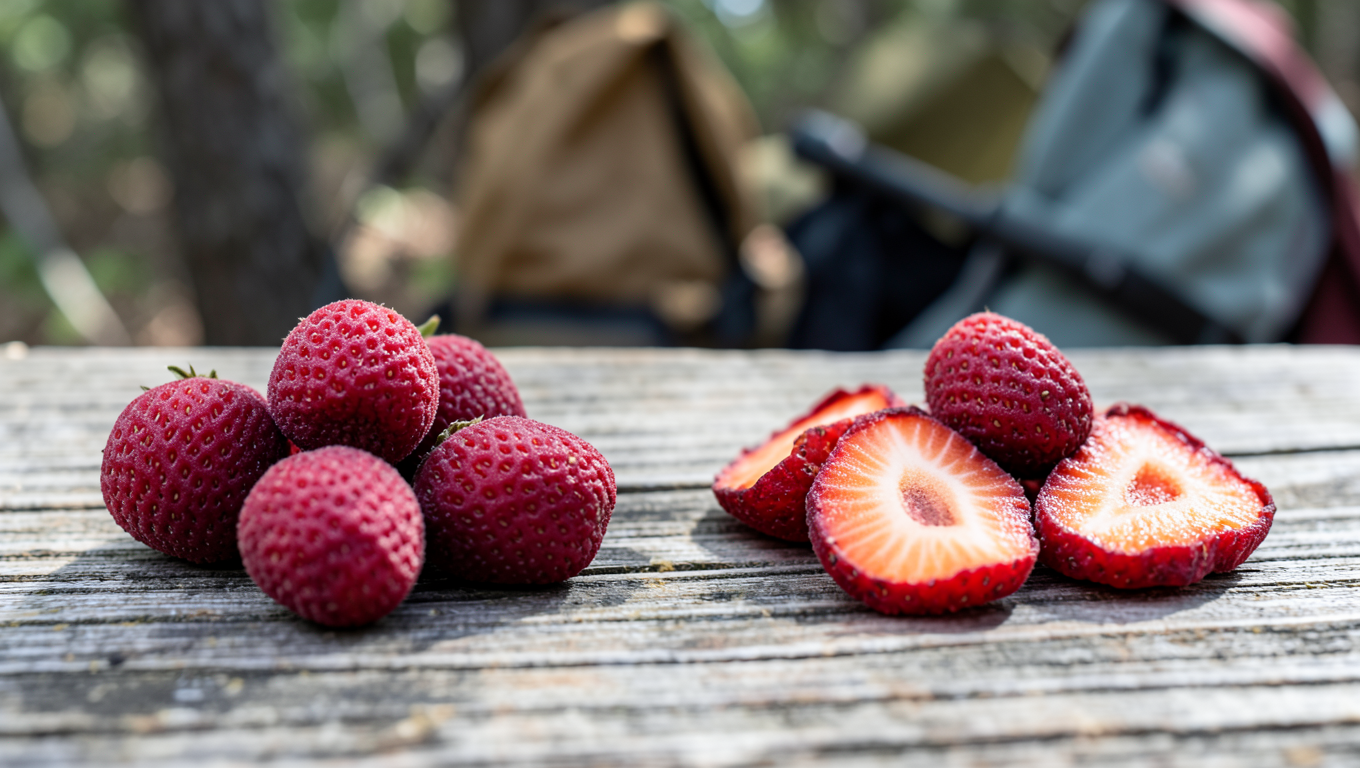
I’ve watched commercial freeze dryers process strawberries. The berries come out looking almost identical to fresh ones, just lighter and brittle. When you add water, the porous structure acts like a sponge. A freeze-dried strawberry rehydrates in 5 minutes and tastes remarkably close to fresh.
The low temperature preserves heat-sensitive nutrients. Vitamin C retention in freeze-dried foods typically exceeds 95%, compared to 50-60% in dehydrated versions of the same food.
How Dehydration Works
Dehydration uses temperatures between 125-165°F and moving air to evaporate moisture. Home dehydrators take 6-16 hours depending on the food and thickness. The heat causes cell walls to collapse and shrink, creating a denser, chewier texture.
I dehydrate venison jerky at 155°F for 8 hours. The meat loses about 65% of its original weight and develops concentrated flavors. Unlike freeze-dried meat that crumbles, dehydrated jerky stays flexible and chewy.
The higher temperatures affect nutrients differently. B vitamins hold up well, but vitamin C degrades significantly. Antioxidants in fruits can actually concentrate as water leaves, though some heat-sensitive compounds break down.
Freeze Dried vs Dehydrated Food: Direct Comparison
| Factor | Freeze Dried | Dehydrated |
|---|---|---|
| Moisture Content | 1-2% | 5-10% |
| Shelf Life (sealed) | 25-30 years | 1-15 years |
| Weight Reduction | 90-95% | 60-75% |
| Rehydration Time | 5-10 minutes | 15-30 minutes |
| Texture After Rehydration | Close to original | Softer, sometimes mushy |
| Nutrient Retention | 95-98% | 60-80% |
| Cost per Pound | $25-50 | $8-20 |
| Energy Required | High (specialized equipment) | Low (simple heat source) |
Weight and Pack Volume
On a 5-day backpacking trip, I carried freeze-dried meals that totaled 2.1 pounds for 15 meals. The equivalent calories in dehydrated food would have weighed 3.8-4.5 pounds. For thru-hikers and ultralight backpackers, that difference matters.
Freeze-dried foods also pack smaller. A freeze-dried scrambled egg breakfast weighs 2 ounces and fits in your palm. Dehydrated eggs for the same serving weigh 3.5 ounces and take up more space because they’re denser.
The brittleness of freeze-dried food is both advantage and drawback. It crushes easily if you’re not careful with pack organization, but it also breaks down quickly when you add water.
Shelf Life and Storage
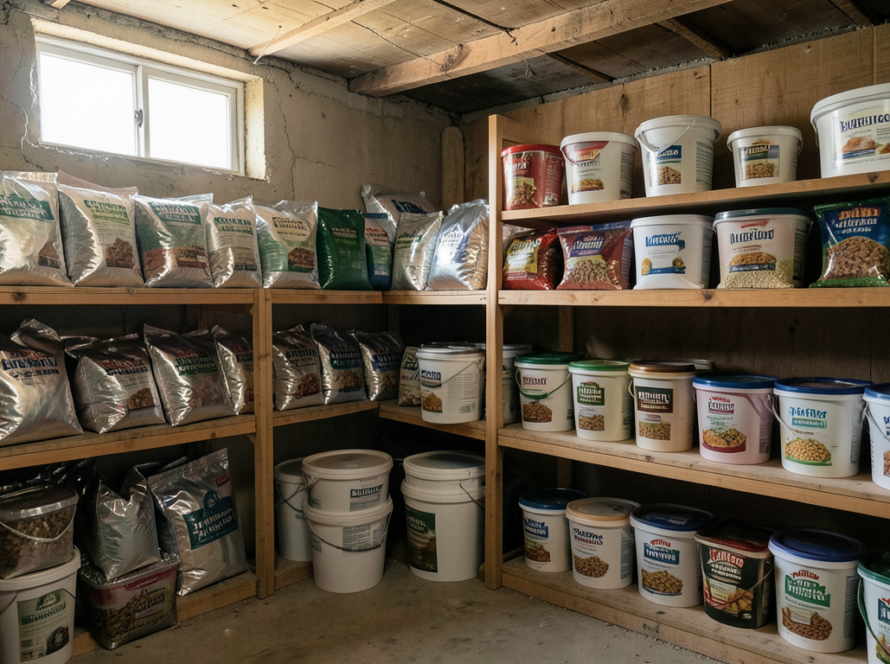
I’ve tested freeze-dried meals stored for 8 years in mylar pouches with oxygen absorbers. They tasted identical to fresh packages. The extremely low moisture content prevents bacterial growth, enzyme activity, and oxidation.
Dehydrated foods need more attention. The 5-10% residual moisture means bacteria can still grow slowly, especially if storage conditions aren’t ideal. I rotate my dehydrated backpacking meals every 18-24 months. Properly stored in airtight containers with desiccants, they’ll last 5-10 years, but quality degrades faster than freeze-dried options.
Temperature matters more for dehydrated foods. Above 70°F, shelf life drops noticeably. My basement stays at 55-60°F year-round, which extends storage life significantly.
Taste and Texture Differences
Freeze-dried foods maintain cellular structure. When you rehydrate freeze-dried chicken, it has distinct fibers and texture similar to cooked fresh chicken. Freeze-dried fruits taste bright and retain natural sweetness.
Dehydrated foods develop concentrated, sometimes caramelized flavors from the heat process. Dehydrated tomatoes taste richer and sweeter than fresh. The texture becomes chewy or leathery. Some people prefer this—I eat dehydrated mango slices as trail snacks without rehydrating them.
Rehydration quality differs dramatically. Freeze-dried scrambled eggs become fluffy and light. Dehydrated eggs rehydrate into something edible but noticeably different from fresh. For vegetables in stews, the difference matters less because everything’s cooked together.
Cost Analysis
A home dehydrator costs $40-300. A home freeze dryer runs $2,500-5,000. That’s why most people buy commercial freeze-dried foods rather than making their own.
Per meal, freeze-dried entrees cost $8-15. Dehydrated meals you make yourself cost $2-4 in ingredients and electricity. For a 72-hour emergency kit, the difference is manageable. For a year’s supply of food, it’s thousands of dollars.
I use both strategically. My bug-out bag has freeze-dried meals because weight matters and I won’t rotate them often. My car emergency kit has dehydrated foods I make in bulk and rotate every year.
Which Foods Work Better With Each Method
Freeze drying excels with high-moisture foods: fruits, vegetables, complete meals, dairy, and meat. Strawberries, corn, and cooked pasta rehydrate beautifully. Ice cream freeze-dries into crunchy astronaut snacks.
Dehydration works better for foods you want chewy or concentrated: jerky, fruit leathers, tomatoes, herbs, and mushrooms. High-fat foods like avocados and nuts don’t dehydrate well because fat doesn’t evaporate—it goes rancid. Freeze drying handles fatty foods better but they still have shorter shelf life than lean options.
Grains and legumes are already dry, so neither process applies. Rice, beans, and pasta just need cool, dry storage.
Practical Applications
For backpacking, I choose freeze-dried when I’m covering serious miles and weight matters. On shorter trips or canoe camping where weight is less critical, dehydrated foods save money.
For emergency preparedness, freeze-dried foods make sense for long-term storage you won’t touch for years. A 25-year shelf life means you can buy once and forget about it. Dehydrated foods work for supplies you’ll rotate through regular camping and outdoor activities.
For everyday use, dehydrating your own foods lets you preserve garden harvests and create custom trail mixes. I dehydrate jalapeños, tomatoes, and herbs every summer. The upfront time investment pays off in shelf-stable ingredients I actually use.
Ready to build your emergency food supply? Download our free 72-Hour Kit Checklist to make sure you have everything covered.
FAQ
Is freeze-dried food healthier than dehydrated food?
Freeze-dried food retains 95-98% of original nutrients because the low-temperature process preserves heat-sensitive vitamins. Dehydrated food retains 60-80% of nutrients, with vitamin C showing the biggest losses. Both are nutritious options—the difference matters most for long-term storage where you’re relying heavily on preserved foods.
Can you eat freeze-dried food without rehydrating it?
Yes, freeze-dried food is safe to eat dry and many people prefer it as a crunchy snack. Freeze-dried fruits, vegetables, and ice cream work well this way. However, dry freeze-dried meals are difficult to chew and your body needs extra water to digest them. If water is limited, rehydrate before eating to avoid dehydration.
Why is freeze-dried food so expensive?
Freeze dryers cost $100,000+ for commercial units and require 20-40 hours per batch with significant electricity use. The specialized equipment, long processing time, and lower production volumes compared to dehydration drive up costs. You’re paying for the superior shelf life, lighter weight, and better rehydration quality.
How long does dehydrated food last compared to freeze-dried?
Properly stored dehydrated food lasts 1-15 years depending on the food type and storage conditions. Freeze-dried food lasts 25-30 years in sealed containers with oxygen absorbers. The lower moisture content in freeze-dried food (1-2% vs 5-10%) prevents bacterial growth and oxidation that limit dehydrated food shelf life.
Which is better for backpacking—freeze-dried or dehydrated food?
Freeze-dried food is better for long-distance backpacking where every ounce matters, rehydrates faster at altitude, and requires less fuel to prepare. Dehydrated food works well for shorter trips, weekend camping, or when budget is the priority. I use freeze-dried for thru-hikes and dehydrated for 2-3 day trips where I’m not counting grams.